AC Installer: Efficient Environment Control Systems Are Crucial For Indoor Convenience And Energy Savings
Elements and Systems: The Heating And Cooling Symphony
Ever question what really manages the climate control in your residence or workplace? It's even more than simply a box humming outside. We're discussing an advanced interplay of parts, a genuine symphony of engineering created to keep your convenience, come rain or shine, or perhaps the most blistering heatwave. Understanding these specific parts, and how they coalesce into a unified system, is vital for any homeowner or center manager. Consider it like a body: each organ has an essential role, however it's their collective function that keeps us alive and thriving.
The Core Players: What Makes it Tick?

At the heart of most domestic and light business a/c setups, you'll discover several crucial players. Do you truly know what each one does? Let's break down the vital cast:
- Heating system: The heating powerhouse, normally fueled by natural gas, gas, or electricity. It warms the air that then flows throughout your area.
- A/c unit: The cooling champion, getting rid of heat and humidity from indoor air through a refrigerant cycle.
- Ductwork: The circulatory system of your HVAC, a network of channels that distributes conditioned air to numerous spaces and returns stale air for reconditioning. Without effectively sized and sealed ducts, even the most efficient system can falter.
- Thermostat: The brain of the operation, enabling you to set and preserve desired temperature levels. Modern thermostats can incredible feats, from Wi-Fi connectivity to discovering your choices.
Beyond the Fundamentals: Integrated Systems
While the heating system and a/c unit are typically distinct units, they often share typical components, forming an integrated system. For example, the exact same blower fan within the furnace frequently moves air for both cooling and heating. This seamless combination is what makes a contemporary heating and cooling system so effective and easy to use. Think about the classic situation: a sweltering summer day provides way to a surprisingly chilly night. Your system, if effectively created, shifts easily from cooling to heating, making sure constant convenience without you lifting a finger. It's really a marvel of contemporary convenience technology.
Improving Air Quality: More Than Just Temperature level
Beyond merely heating and cooling, modern a/c options typically incorporate parts targeted at enhancing indoor air quality. Are you knowledgeable about the unnoticeable risks hiding in your air? From allergens to pollutants, a great system actively fights them. This can include sophisticated filtration systems, humidifiers to add moisture in dry environments, or dehumidifiers to extract excess humidity. Some systems even integrate UV lamps to eliminate airborne pathogens. It has to do with creating a holistic environment, not simply a comfy temperature level. What good is convenience if the air you breathe is subpar?
Heating & Cooling Principles: The Unseen Ballet of Convenience
Ever wonder why one room feels like a sauna while the next is an icebox, in spite of your thermostat's impassioned prayers? The response often lies in a nuanced understanding of heating and cooling concepts, a subtle dance of energy transfer that determines our indoor comfort. It's not almost cranking up the air conditioning or stiring the heating system; it's about managing the circulation of heat, that relentless traveler always looking for equilibrium. Think about it like water flowing downhill-- heat always moves from warmer locations to cooler ones. This essential truth underpins every aspect of reliable HVAC system operation, yet it's often ignored, leading to consistent pain and, honestly, lost energy.
The Elusive Even Temperature
The most typical aggravation homeowners voice centers on uneven temperature levels. You change the thermostat, expecting a blanket of comfort, just to discover one room sweltering while another shivers. Why does this occur? Frequently, it's a sign of poorly sized or poorly well balanced ductwork. Envision a garden hose trying to water a whole yard; some locations get drenched, others remain parched. Likewise, if your ductwork isn't created to deliver the best volume of conditioned air to each area, cold and hot spots end up being an inevitable truth. A common error is assuming that simply including more vents will solve the issue. In reality, it can exacerbate it by interrupting the fragile balance of air pressure within the system. An a/c professional worth their salt will carry out a Manual J load computation, a comprehensive analysis that determines the accurate heating and cooling needs of each space, considering aspects like window size, insulation, and even the variety of residents. Without this foundational action, you're basically flying blind.
Techniques of the Trade for Optimal Effectiveness
- Zoning Systems: For supreme control and efficiency, think about a zoning system. This permits you to divide your home into unique temperature zones, each with its own thermostat. No more heating or cooling unoccupied rooms! It's like having several mini-HVAC systems customized to your way of life.
- Duct Sealing: Leaky ducts are notorious energy burglars. A significant portion of conditioned air can leave through unsealed joints and holes before it even reaches your living area. Professional duct sealing with mastic or specific tape (not simply regular duct tape, which fails rapidly) can significantly improve performance and eliminate phantom drafts.
- Insulation's Function: Your home's insulation functions as the bouncer for heat, avoiding it from crashing the celebration in summertime and getting away in winter season. Is your attic adequately insulated? Are your walls simple screens for thermal energy? A simple assessment can reveal considerable opportunities for enhancement.
- Fan Settings Matter: Many property owners merely set their fan to "vehicle." While usually great, think about running your fan continuously on a low setting, particularly in shoulder seasons. This assists flow air, decreasing temperature level stratification and making your home feel more regularly comfy, even if the main heating or cooling isn't actively running.
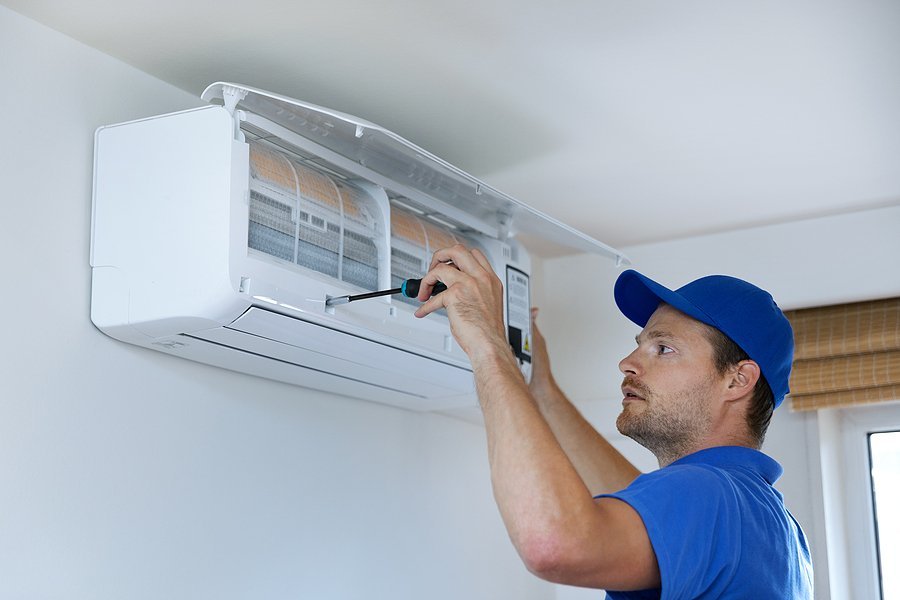
Comprehending these essential heating and cooling principles empowers you to make informed choices about your home's comfort and energy usage. It's not practically repairing a broken system; it's about orchestrating a symphony of heat and coolness, ensuring every note is played perfect.
The Breath of Life: Ventilation and Air Quality
Ever walked into a room and felt that immediate stuffiness, that sense of recycled air holding on to your lungs? It's a common experience, a subtle yet relentless discomfort that frequently goes unaddressed. Numerous property owners, concentrated on heating and cooling, ignore the crucial role of ventilation in their heating and cooling system. It's not simply about temperature; it has to do with the extremely air we breathe. Think about your home as a living organism; without proper air flow, it suffocates, trapping contaminants, allergens, and even stagnant smells. This oversight can result in a host of indoor air quality issues, a quiet attacker eroding comfort and possibly impacting wellness.
Among the most significant difficulties house owners deal with in keeping exceptional indoor air quality centers on the accumulation of microscopic air-borne particles. These undetectable intruders, varying from allergen and pet dander to mold spores and unpredictable organic compounds (VOCs) off-gassing from furniture, circulate constantly without adequate air exchange. Think of trying to clean a dirty room by just moving the dust around; that belongs to recirculating stagnant air without presenting fresh, filtered air. This continuous re-exposure can exacerbate breathing conditions, trigger allergic reactions, and usually diminish the feeling of a tidy, healthy home. However what can be done to really clarify?
Beyond the Basic Filter: Advanced Air Filtration
While standard furnace filters record larger particles, they typically fail when it concerns the truly minute contaminants. This is where the discerning house owner thinks about upgrading their heating and cooling system's air filtering. Have you thought about a MERV 13 or higher filter? These pleated powerhouses can trap a considerably higher percentage of air-borne particles, including germs and even some viruses. However the journey to pristine air doesn't end there. For a truly comprehensive method, UV germicidal lights incorporated into your ductwork offer an additional layer of defense, reducing the effects of air-borne pathogens as they travel through. It's like having a tiny bouncer for your air, making sure only the cleanest molecules make it into your home. And for those with persistent smell issues or chemical level of sensitivities, a whole-house activated carbon filter can be a game-changer, absorbing gaseous toxins that even the finest particulate filters miss out on. It's about proactive defense, not reactive relief.
- Examine and change air filters quarterly, or more often if you have pets or allergies.
- Consider a whole-house humidifier or dehumidifier to control indoor humidity levels, which can impact mold growth.
- Make sure proper sealing of ductwork to prevent unfiltered air from going into the system.
- Use exhaust fans in cooking areas and bathrooms to get rid of wetness and cooking odors at their source.
Did you understand that simply opening windows for a few minutes every day, even in winter, can considerably enhance indoor air quality by watering down contaminants? It's a basic, cost-efficient trick that many neglect. Furthermore, tactically put indoor plants, such as spider plants or peace lilies, can act as natural air cleansers, taking in particular contaminants from the air. While they will not replace a robust ventilation system, they provide a quaint, green enhance to your indoor air technique. The goal is to develop an environment where the air is not just comfortable in temperature, however truly stimulating to breathe.
Installation and Maintenance: The Unsung Heroes of Heating And Cooling Durability
Ever question why some heating and cooling systems purr like satisfied kitties for decades while others sputter and cough their last breath far prematurely? The secret, dear reader, typically lies not in the initial purchase, however in the meticulous dance of setup and the persistent rhythm of upkeep. It's a tale as old as time, or a minimum of as old as cooling itself: a system, no matter how sophisticated, is only as great as its setup and subsequent care. An inadequately installed unit can cause a cascade of problems, from inefficient operation that drains your wallet much faster than a leaky faucet to premature part failure. Envision trying to run a marathon with ill-fitting shoes; you might finish, however not without considerable pain and prospective injury. Your heating and cooling system deals with comparable misfortunes when not effectively incorporated into your home's special thermal envelope.
Think about the airflow. A typical oversight during setup, and one that causes unknown headaches, revolves around correct ductwork sizing and sealing. It's like attempting to drink a milkshake through a tiny, punctured straw-- you're putting in a lot of effort for really little reward. Undersized ducts restrict air flow, forcing the blower motor to work harder, consuming more energy, and reducing its life-span. Dripping ducts, on the other hand, are like tossing cash out the window, actually, as conditioned air escapes into unconditioned spaces. Did you know that approximately 30% of a home's heating and cooling energy can be check here lost due to dripping ducts? It's a staggering figure, typically overlooked, and quickly remedied with proper sealing methods using mastic or customized metal tape, not just the lightweight cloth-backed duct tape everybody incorrectly calls "duct tape."
The Rites of Regular Maintenance
You have actually got a completely installed system. Now what? The journey doesn't end there; it simply starts a brand-new chapter: upkeep. Think of your a/c system as a high-performance lorry. Would you ever skip oil changes or tire rotations? Naturally not, since you comprehend the long-term consequences. Likewise, overlooking your a/c system's annual tune-ups is a gamble you're unlikely to win. These aren't simply approximate consultations; they are vital preventative steps. A specialist checks refrigerant levels (the lifeline of your system), cleans up coils (those unrecognized heroes of heat exchange), examines electrical connections (preventing possible fire dangers), and lubes moving parts. It's during these visits that little issues, quickly remedied, are captured before they blossom into expensive breakdowns. A dirty evaporator coil, for example, can minimize effectiveness by 5-10%, forcing your system to work more difficult to achieve the preferred temperature level. It's like attempting to breathe through a clogged nose; everything ends up being harder.
Here are a few expert insights to keep your system humming:
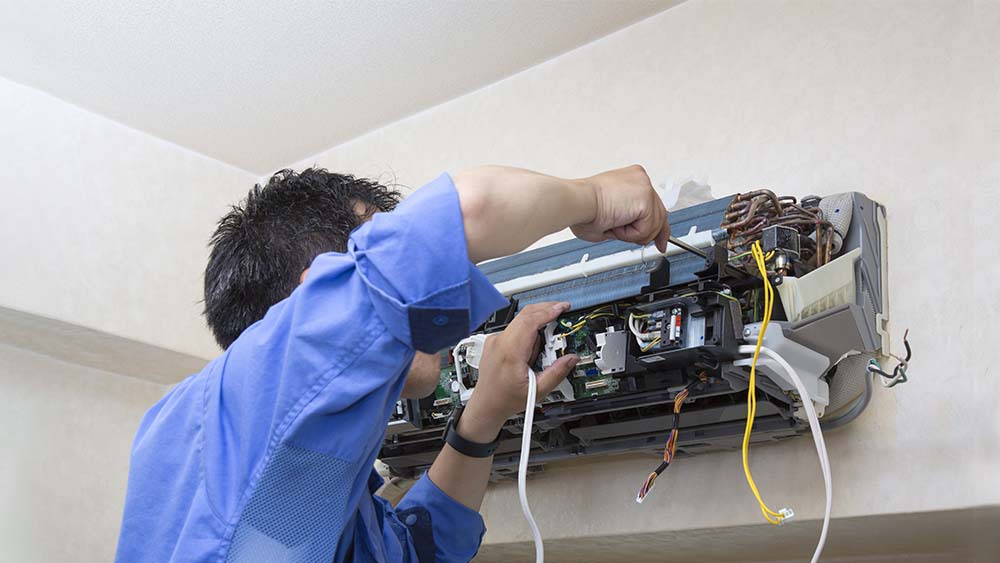
- Filter Skill: Change your air filter every 1-3 months, especially if you have pets or allergies. A blocked filter is a significant air flow obstacle, minimizing effectiveness and putting stress on your system.
- Clear the Condensate Drain: Occasionally pour a cup of distilled vinegar down your condensate drain line. This prevents algae and mold growth that can clog the line, leading to water damage and system shutdown.
- Outside System TLC: Keep the area around your outdoor condenser unit clear of debris, leaves, and thick plants. A foot or 2 of clearance on all sides ensures proper airflow, which is vital for effective heat dissipation.
- Thermostat Wisdom: Consider updating to a programmable or wise thermostat. These devices can discover your routines and enhance temperature settings, saving energy and extending the life of your system by minimizing unnecessary biking.
Remember, a little proactive effort in installation and upkeep goes a long way in guaranteeing your a/c system provides consistent comfort and efficiency for many years to come. It's not almost convenience; it has to do with securing your investment and guaranteeing assurance.