AC Unit Repair Services: Reputable Specialists Deal Specialist Solutions For Your Cooling System'S Remediation
Typical Air Conditioning Issues that Require Expert Attention
Ah, the sweet hum of a well-functioning air conditioning system on a sweltering summer day. It's a symphony of comfort, isn't it? Then, that dreaded silence, or even worse, an unusual gurgling sound. All of a sudden, your sanctuary transforms into a sauna. What went wrong? When your a/c system decides to stage a silent demonstration, it's often due to a handful of typical offenders. Understanding these concerns can empower you to recognize when it's time to call in the cavalry for.
a/c repair work.
Refrigerant Leaks: The Undetectable Burglar
One of the most perilous issues is a refrigerant leak. This isn't almost your a/c blowing warm air; it's a matter of efficiency and prospective environmental effect. Think of your air conditioner's refrigerant as its lifeline. When it leakages, the system struggles to check here cool, working more difficult and taking in more energy. Have you ever observed your energy costs inexplicably skyrocketing, even as your home stays uncomfortably warm? A leak might be the undetectable burglar at play. It's not something a do it yourself enthusiast can tackle; specialized tools and knowledge are needed to identify the leakage and correctly recharge the system. This is a traditional example of when expert.
Air conditioning repair workbecomes not simply convenient, however vital.
Blocked Drain Lines: A Sticky Scenario
Another regular transgressor is a clogged condensate drain line. As your air conditioning cools the air, it removes humidity, which then drips into a pan and recedes. Over time, algae, mold, and sludge can build up, producing an obstruction. The pan overflows, potentially causing water damage to your home and, ironically, increasing indoor humidity. It's like a tub that will not drain, however rather of just a mess on the floor, it impacts your home's air quality and the performance of your system. Ever seen a puddle around your indoor unit? That's your AC sobbing for aid. Cleaning these obstructions needs cautious dealing with to prevent additional damage to fragile components.
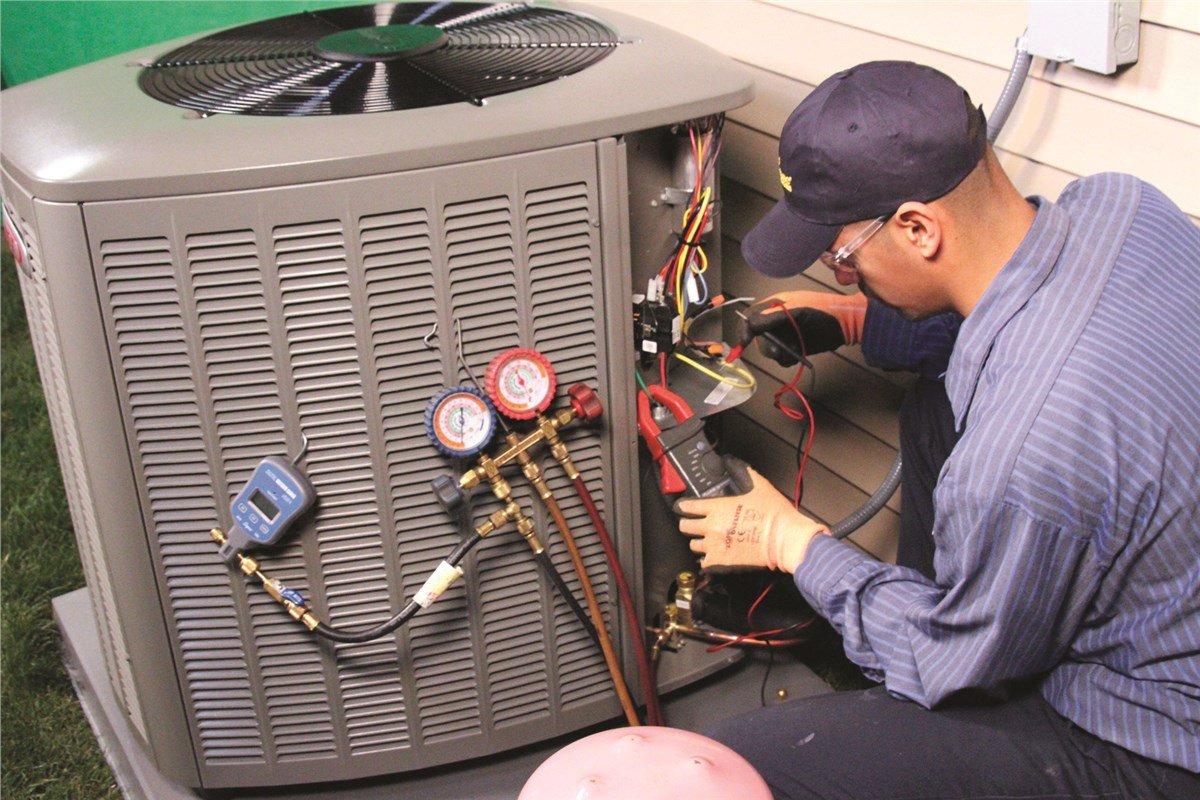
Electrical Control Failures: The Brain Drain
The electrical parts of your AC unit are its brain and nerve system. Problems with the thermostat, capacitors, or circuitry can bring the entire system to a grinding halt. A typical anecdote involves a homeowner whose AC suddenly quit working, only to discover a small capacitor, no bigger than a soda can, had stopped working. These components are under continuous stress, specifically during peak usage. A defective capacitor might prevent the fan or compressor from beginning, resulting in no cooling whatsoever. Diagnosing electrical concerns requires an eager eye and a multimeter, abilities best delegated accredited.
A/c repairspecialists. Do not play amateur electrical expert when it comes to your home's convenience system!
Unclean Filters and Coils: The Breath of the Beast
Perhaps the most easily preventable, yet regularly come across, issue is a filthy air filter or evaporator/condenser coils. It's like attempting to run a marathon while breathing through a stopped up straw. Air flow is restricted, the unit works harder, and cooling capability plummets. Regular.
a/c upkeep,.
consisting of filter changes, can avoid this common pitfall. When coils end up being heavily caked with gunk, expert cleaning is critical to restore performance and prevent more stress on the system. Overlooking this can result in premature system failure and expensive repairs down the line.
Repairing Steps: Debunking the Whirring Secret
The oppressive summertime heat comes down, and all of a sudden, your sanctuary becomes a sauna. That telltale whirring noise from your outside system has actually vanished, replaced by a disturbing silence. What's the first move when your AC unit chooses to take an unannounced vacation? Before panicking and Googling "emergency a/c repair work near me" with sweaty desperation, a couple of easy checks can often brighten the course forward. Think about it as investigator work, with you as the lead detective.
Preliminary Examinations: Power Plays and Thermostat Tales
Is the thermostat set to "cool" and the fan to "car"? It sounds ludicrously simple, yet countless service calls start and end with this really change. In some cases, a naughty finger or an unintentional bump can move settings. Next, endeavor to your electrical panel. Has a breaker tripped? An unexpected surge or an overloaded circuit can cause your cooling system to eliminate. Resetting a tripped breaker is a typical fix, similar to rebooting a frozen computer system. If it trips once again instantly, however, that's a red flag waving intensely, indicating a deeper electrical problem that warrants professional attention. Have you examined the outdoor disconnect switch? It's normally a little box near the outdoor system, in some cases overlooked. Guaranteeing it remains in the "on" position is vital.
Unwinding the Coil Dilemma and Filter Fables
When was the last time you peered at your air filter? A stopped up filter is the bane of an air conditioner system's existence, comparable to trying to breathe through a pillow. It limits airflow, requires the system to work harder, and can lead to ice formation on the evaporator coil. This ice serves as an insulator, preventing heat exchange and efficiently rendering your system worthless. A simple filter replacement can often resurrect a struggling system. Moreover, take a glimpse at your outside condenser coils. Are they encrusted with dirt, leaves, and even pet hair? These coils are the heat rejection champs; if they're suffocated by debris, they can't dissipate heat successfully. A gentle spray with a garden tube can often work wonders, but be conscious not to flex the delicate fins.
When the Do It Yourself Road Ends: Acknowledging the Limits
While these preliminary actions can resolve lots of typical air conditioning system problems, there are instances where the problem extends beyond a simple repair. Is the outside unit humming however the fan isn't spinning? You may have a failing run capacitor, a typical culprit. Is water pooling around the indoor system? A stopped up condensate drain line is most likely the culprit, which can set off safety switches to prevent water damage. These situations, and others involving refrigerant leaks or compressor failures, require the knowledge of a seasoned service technician. Trying repairs beyond your skillset can lead to further damage and even accident. Understanding when to employ the cavalry is possibly the most important troubleshooting action of all.
When to Call an Expert
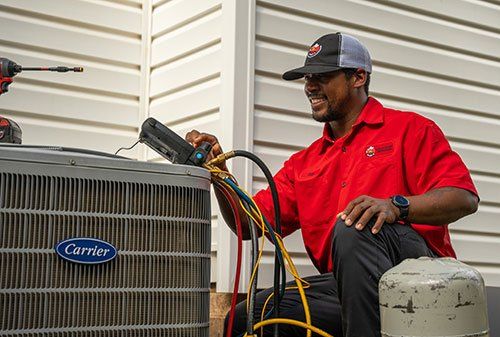
That consistent, upsetting hum from your outdoor unit, or perhaps the unnerving silence when it need to be roaring to life, often signifies a requirement for more than a do-it-yourself repair. Lots of homeowners, bless their ambitious hearts, dive into air conditioning troubleshooting with a wrench and a YouTube video, only to find the problem's roots run far deeper than a clogged filter. Is your AC blowing warm air, or even worse, no air at all? The temptation to tinker is strong, but often, the best tool in your toolbox is a phone.
Consider the refrigerant line. It's not simply a pipeline; it's the circulatory system of your cooling unit. A sudden drop in cooling capacity, particularly if accompanied by a hissing sound, frequently points to a refrigerant leak. This isn't a job for the weekend warrior. Handling refrigerants requires specialized tools and understanding, not to mention ecological policies that make DIY efforts both inefficient and possibly damaging. Ever heard the adage, "A little knowledge is a hazardous thing"? It definitely applies here. What seems a simple top-off could mask a severe leakage, leading to a recurring problem and higher expenditure down the line. A true professional will not just fill up; they'll pinpoint the leakage, repair it, and then recharge the system properly.
Beyond the Obvious: Indications You Need a Specialist
- Unusual Sounds: Grinding, squealing, or persistent rattling noises from either the indoor or outside unit are warnings. These typically suggest worn-out bearings, a stopping working motor, or perhaps loose elements that might lead to devastating failure if disregarded.
- Foul Odors: A musty smell recommends mold or mildew within your ductwork or evaporator coil, impacting indoor air quality. A burning odor? That's an instant call-- it might be an electrical issue.
- High Humidity Indoors: Your air conditioner does more than cool; it dehumidifies. If your home feels clammy despite the cool air, the system isn't effectively eliminating moisture. This might come from an extra-large unit, an unclean evaporator coil, or a drain problem.
- Frequent Biking: Is your system turning on and off continuously? This "brief cycling" is inefficient and puts unnecessary stress on the compressor, significantly shortening its lifespan. It might be an electrical issue, a thermostat breakdown, and even a low refrigerant charge.
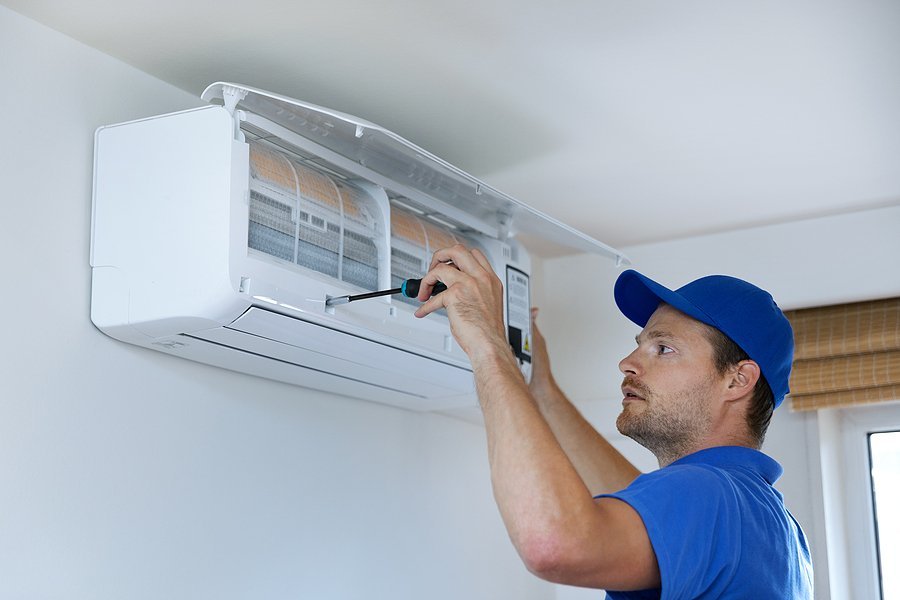
Do not simply chase after signs. An expert performing a/c repair work looks at the entire system, understanding the complex dance between the thermostat, the compressor, the coils, and the fan motor. They possess the diagnostic equipment to accurately evaluate electrical issues, measure refrigerant levels, and recognize subtle inefficiencies that leave the casual observer. The in advance cost of an expert service call is typically a smart investment, avoiding small problems from morphing into major, wallet-draining catastrophes. Would you attempt open-heart surgical treatment on yourself? Most likely not. Your a/c, while less crucial, is a complicated piece of equipment finest delegated those who genuinely comprehend its pulse.
Preventative Maintenance Tips
Ever question why your neighbor's AC system seems to hum along gladly while yours sounds like a rusty maraca convention? Often, the secret lies not in luck, however in thorough, often neglected, preventative care. Disregarding your HVAC system belongs to never ever altering the oil in your vehicle; eventually, something costly is bound to seize up. The primary disappointment for homeowners often focuses on the sudden, blistering awareness that their a/c has flatlined on the most popular day of the year. The sheer pain, combined with the scramble for emergency situation a/c repair work, can turn a pleasant summer afternoon into a sweaty headache. What if you could sidestep that specific brand name of suffering?
A little proactive effort goes a long way in ensuring your.
air conditioning repair workneeds are very little. Consider your air filter: it's the lungs of your system. A clogged filter chokes off air flow, requiring your unit to work harder, consume more energy, and ultimately, reduce its life expectancy. Consider it like trying to breathe through a pillow. How frequently should you change it? Many specialists advise monthly, especially during peak cooling seasons or if you have animals. Do you have a UV light in your system? If not, think about one. These small powerhouses eliminate mold spores and bacteria, keeping your indoor air quality pristine and avoiding biological development on your evaporator coil, which can cause substantial blockages and efficiency drops. It's a little financial investment with a huge reward in both health and system longevity.
DIY Checks and Balances
Beyond the filter, simple visual examinations can flag possible concerns before they escalate. Walk your outdoor unit-- the condenser. Is it free from debris? Leaves, lawn clippings, and even pet fur can accumulate, hampering airflow and forcing the unit to overexert itself. Bear in mind that time you spent hours raking the backyard, only to understand half the leaves wound up plastered to the condenser coils? That's a traditional. Clear a minimum of 2 feet of space around the system. Likewise, inspect the refrigerant lines. Are they insulated? Exposed lines can lose performance, leading to greater energy costs. Are there any visible leakages, maybe an oily residue? This could indicate a refrigerant leakage, a major issue requiring expert attention for proper refrigerant leakage detection and sealing. Don't just dismiss that strange dripping sound; examine it!
- Tidy or change air filters routinely (month-to-month is perfect)
- Guarantee the outside condenser system is devoid of particles and has clear air flow.
- Check insulation on refrigerant lines for wear or damage.
- Keep supply and return vents clear of furnishings or drapes.
- Consider a programmable thermostat for optimized scheduling.
And here's a real professional idea: pour a cup of distilled vinegar down your condensate drain line a few times a year. This basic act avoids algae and mold buildup, which are notorious for triggering obstructions and causing water leaks-- the bane of many a house owner's ceiling. A blocked drain line can trigger your auxiliary pan to fill, setting off a safety shut-off switch and leaving you without cool air. A little vinegar, a lot of comfort. Regular, professional air conditioning tune-ups are likewise critical, as service technicians can identify subtle problems, check refrigerant levels, and clean parts that are out of reach for the typical property owner, guaranteeing your system runs at peak performance and prevents unanticipated breakdowns.